
Introduction to the Protests
The recent protests in Minneapolis represent not only a response to a tragic event but also a culmination of societal frustrations that have been present for years. The protests began following the death of George Floyd, a Black man who died while in police custody, which sparked widespread outrage across the nation. This pivotal moment galvanized numerous protests in Minneapolis, focused on demanding justice for Floyd and a broader call for police reform and racial equality.
As thousands took to the streets, expressing their discontent, the protests grew in intensity, leading to clashes between demonstrators and local law enforcement. Tensions increased as police utilized tactical responses, including rubber bullets and tear gas, which led to further escalation of the situation. These confrontations are characterized not only by physical confrontations but also by a philosophical battle over the role of policing and systemic racism in American society.
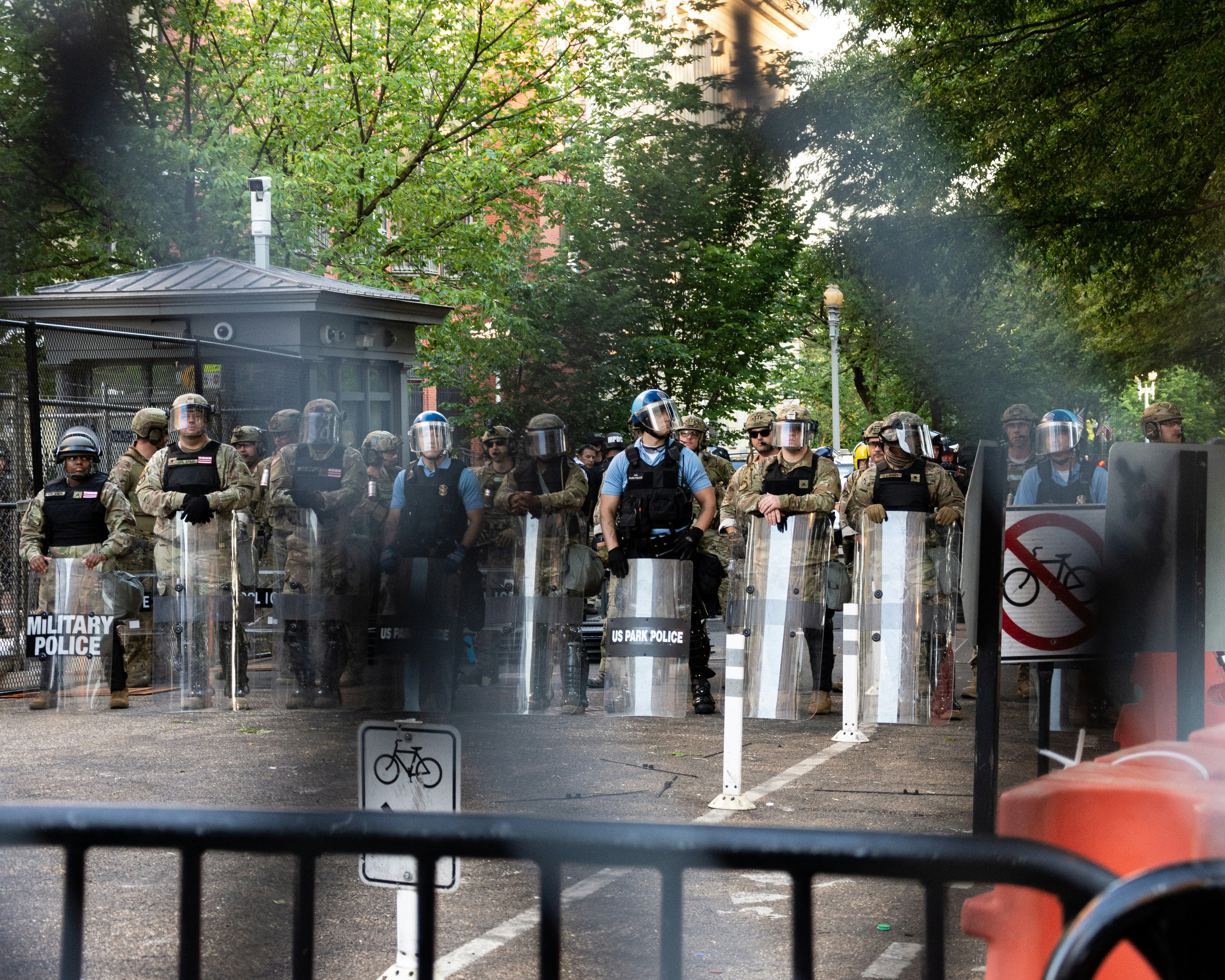
The events in Minneapolis caught the attention of federal authorities, resulting in the deployment of federal officers to manage the protests. This federal intervention heightened fears among many citizens regarding the potential for government overreach, particularly concerning the Insurrection Act. As the protests wore on, President Trump hinted at the possibility of invoking the Insurrection Act to quell unrest, signaling a willingness to exert federal authority amid local law enforcement challenges.
The impacts of these protests extend beyond Minneapolis, resonating nationally and even internationally. They have sparked discussions about civil rights, police reform, and the government’s response to civil unrest. Communities across the country have found themselves rallying in solidarity with those in Minneapolis, leading to a renewed focus on social justice. As these events unfold, the implications are significant not only for Minneapolis but for the entire nation as it grapples with fundamental issues of governance, justice, and equality.
Understanding the Insurrection Act of 1807
The Insurrection Act of 1807 is a critical piece of legislation that allows the President of the United States to deploy military forces within the country to suppress civil disorder, insurrection, or rebellion. The Act was originally introduced as a response to the need for a legal mechanism that grants the federal government the authority to intervene in situations where local law enforcement is unable to maintain order or when state officials are deemed incapable of managing a crisis effectively.
The legal significance of the Insurrection Act lies in its dual purpose of protecting civil order while also safeguarding individual liberties. When invoked, the Act permits the federal government to override state authority, raising pertinent questions about state sovereignty and civil rights. Historically, there have been several instances where U.S. Presidents have exercised this authority, often with significant implications for governance and civil liberties. For example, President Dwight D. Eisenhower invoked the Insurrection Act during the Little Rock Crisis in 1957 to enforce the desegregation of public schools, illustrating how the Act can play a role in addressing constitutional rights amid local resistance.
In contemporary times, the potential application of the Insurrection Act, particularly by President Trump in response to protests in Minneapolis, sparked widespread debate regarding its implications. The decision to resort to the Insurrection Act reflects both the urgency and complexity of addressing civil unrest. Critics argue that such actions might infringe upon civil liberties, as military intervention can lead to severe repercussions, such as the erosion of trust between law enforcement and communities. This concern is heightened given the historical context of the Act’s usage, where military presence often escalated tensions rather than alleviating them.
In summary, understanding the Insurrection Act of 1807 is essential for comprehending the delicate balance between federal authority and civil liberties, especially in times of crisis. Its application poses significant legal and ethical challenges that must be carefully considered by lawmakers and citizens alike.
The Role of Immigration Enforcement in the Protests
The protests that erupted in Minneapolis in response to recent violent incidents have been markedly influenced by the actions of Immigration and Customs Enforcement (ICE). As the federal agency responsible for enforcing immigration laws, ICE has come under scrutiny for its operational tactics during a time of social unrest. The situation escalated following the tragic shooting incident, which not only provoked outrage over police practices but also reignited debates concerning immigration enforcement and its wider implications on community relations.
In the wake of the protests, ICE’s presence has been palpable, as the agency undertook a series of arrests deemed part of an aggressive federal immigration crackdown. This hostile approach has led to fears among local immigrant communities, exacerbating an already fraught relationship between residents and federal authorities. Reports indicate that apprehensions conducted by ICE have not only targeted individuals with criminal records but also many law-abiding residents, contributing to a climate of fear and distrust.
The consequences of these enforcement actions extend beyond individual incidents; they serve as significant factors in inciting public outrage. Many protesters view these activities as a violation of basic human rights and an attempt to leverage power against communities of color. The sentiment that such enforcement acts may compound existing tensions led some to call for a reevaluation of how ICE operates within urban areas where protests are occurring. As public sentiment shifts and the stakes grow higher, the intersection of immigration enforcement and community responses highlights the pervasive challenges at the heart of the ongoing civil discourse.
In recent days, President Trump’s remarks regarding the civil unrest in Minneapolis have sparked significant debate among various sectors of society. During a series of press conferences and social media posts, he explicitly threatened to invoke the Insurrection Act if the protests, which initially focused on police brutality, did not subside. This law, originally enacted to allow for federal intervention during acts of insurrection or rebellion, has raised eyebrows across the political spectrum.
Local government officials expressed their disapproval of Trump’s comments. The Minneapolis mayor and the governor of Minnesota quickly voiced their concerns regarding the potential deployment of federal forces. They argued that their state’s law enforcement was capable of managing the situation without federal interference, emphasizing a preference for local governance during crises. Furthermore, they underlined the risks associated with invoking the Insurrection Act, suggesting that it might exacerbate tensions rather than alleviate them.
Community leaders and ordinary citizens have also reacted to Trump’s statements, reflecting a range of sentiments. Some citizens voiced support for a firmer federal response, arguing that a robust intervention might be necessary to restore order. However, many others viewed Trump’s remarks as an overreach and a sign of federal authoritarianism. This division encapsulates a broader ongoing debate about the balance of power between federal and state authorities, particularly in times of civil unrest.
As conversations around the invocation of the Insurrection Act intensify, the public’s reaction underscores a growing concern about the implications of such declarations. The responses highlight not only the fractured opinions on effective governance during crises but also a cautious approach towards federal authority, with many advocating for de-escalation rather than escalation of tensions.
Previous Applications of the Insurrection Act
The Insurrection Act of 1807 has been invoked on multiple occasions throughout American history, primarily in response to civil unrest and the need for federal intervention. One notable instance occurred during the civil rights movement, particularly in Little Rock, Arkansas, in 1957. Following the Supreme Court’s landmark decision in Brown v. Board of Education, which declared racial segregation in public schools unconstitutional, Governor Orval Faubus resisted the integration of Central High School. In response to escalating tensions and the threat of violence, President Dwight D. Eisenhower invoked the Insurrection Act, deploying federal troops to ensure the safe entry of nine African American students into the school. This action underscored the federal government’s commitment to upholding civil rights, highlighting the act’s role in addressing significant societal upheavals.
Another significant application of the Insurrection Act occurred in 1992 during the Los Angeles riots, which erupted following the acquittal of four police officers involved in the beating of Rodney King. The unrest resulted in widespread destruction, looting, and loss of life. In light of the deteriorating situation and the inability of local law enforcement to maintain order, President George H.W. Bush called upon the Insurrection Act. Federal troops were deployed, assisting local authorities in restoring peace. While the immediate aftermath saw a reduction in violence, the long-term effects included a nationwide conversation about race relations, policing practices, and civil unrest.
These historical applications illustrate the gravity of invoking the Insurrection Act, offering insight into the complexities and consequences of deploying military force in civil crises. The act serves as a tool for the federal government to respond to insurrection and maintain order, but it also reveals historical tensions regarding state and federal authority, and civil liberties.
Potential Consequences of Invoking the Insurrection Act
The potential consequences of President Trump’s threat to invoke the Insurrection Act to control protests in Minneapolis are multi-faceted and could have far-reaching implications. If the Insurrection Act were enacted, it would allow the federal government to deploy military forces or federalized National Guard troops to restore order. This drastic measure may, however, violate the principle of state sovereignty, drawing considerable backlash from state leaders who may perceive such actions as an overreach of federal authority. The implications might lead to strained federal-state relations as governors and other state officials may publicly oppose the deployment of federal forces on their turf.
Moreover, the legal ramifications of invoking the Insurrection Act could be profound. The Act itself is rooted in historical contexts and has been invoked selectively throughout American history, often during periods of civil unrest. Legal scholars may engage in heated debates regarding the constitutionality of its modern application. This scenario risks igniting legal battles, possibly reaching higher courts to interpret the limits of executive power during times of unrest.
Public sentiment also plays a crucial role in assessing the impact of potential military intervention. The invocation of the Insurrection Act could polarize opinions, with some segments of the population supporting strong federal action to maintain order, while others may view it as an authoritarian response to legitimate grievances. This polarization may lead to an escalation of protests, intensifying the very civil disturbances that the Act seeks to mitigate. Ultimately, the administration’s decision to pursue such a path will be closely scrutinized, influencing public trust in governance and potentially shaping future protests and activism throughout the country.
Public Sentiment and the Divided Nation
The potential invocation of the insurrection act by federal authorities has spurred a complex response among the American populace, reflecting a nation increasingly divided along political lines. Reactions to such threats vary significantly, revealing deeper societal tensions that are often exacerbated during periods of unrest. Supporters of the act may argue that its utilization is essential for restoring order and maintaining law and order. For them, federal intervention is seen as a necessary step in addressing chaos when local governance is perceived as inadequate or overwhelmed. Conversely, opponents view the threats as excessive overreach and an infringement on civil liberties.
This duality in sentiment often correlates with political affiliation, with many conservative individuals displaying a favorable view towards such measures in the name of maintaining peace. On the other hand, those on the left may perceive the use of the insurrection act as an example of authoritarianism, raising alarms regarding the implications for democracy and personal freedoms. This polarization is not just limited to political ideologies; demographic factors such as race, socioeconomic status, and geographic location also play crucial roles in shaping opinions on federal intervention.
These divergent perspectives challenge the notion of national unity and bring to light the complexities of the current socio-political climate, making it increasingly challenging to forge consensus on such interventions.
Calls for De-escalation and Dialogue
The ongoing unrest in various cities, including Minneapolis, has led to urgent discussions about the most effective responses to civil disobedience and protests. In light of the potential for more heavy-handed measures, including the invocation of the insurrection act, many activists and community leaders are advocating for de-escalation strategies and community engagement as peaceful alternatives.
Numerous community organizations have mobilized to facilitate dialogue among residents, local officials, and law enforcement. These initiatives aim to create a safe space where individuals can express their concerns and work collaboratively towards understanding and addressing the root causes of the unrest, such as inequality and systemic injustices. Activists have emphasized that fostering open communication can lead to more productive solutions, reducing tension and preventing violence.
Local leaders have also called for reforms in immigration policy, arguing that inclusivity and support for marginalized communities are essential components of lasting peace. They highlight that addressing these issues, rather than resorting to authoritarian measures, could lead to a more unified and resilient community. By focusing on education, empathy, and shared goals, residents can work together to combat the factors that contribute to civil unrest.
Moreover, the promotion of restorative justice practices has emerged as a focal point in discussions for community healing. These practices emphasize accountability and the importance of repairing harm rather than solely punishing offenders. This approach aligns with the aspirations of many activists who seek to transform the narrative from one of hostility to one of mutual understanding.
By choosing dialogue over the potential implications of the insurrection act, communities can take proactive steps toward fostering healthy relationships among citizens, leaders, and law enforcement. This commitment to de-escalation is vital in navigating the current landscape of unrest and striving for reconciliation over conflict.
Conclusion and Future Outlook
In reviewing the potential implications of President Trump’s threats to invoke the Insurrection Act in response to the protests in Minneapolis, it becomes evident that such a decision bears significant weight for civil liberties and law enforcement practices in the United States. The Insurrection Act, historically used to address insurrections and civil unrest, serves as a vital legal tool, yet its application raises concerns over the balance between maintaining public order and safeguarding individual rights. The recent protests highlight the urgent need for a nuanced understanding of the law in context with contemporary societal challenges.
As we move forward, it is essential for citizens to remain informed about the implications of federal interventions in local matters. The invocation of the Insurrection Act could set precedents that may affect legislative frameworks surrounding civil rights and the application of law enforcement powers. Thus, discussions regarding peaceful and constructive avenues for change become paramount. It is crucial that communities engage in dialogues that promote understanding and reconciliation, rather than further division.
Moreover, fostering discussions around immigration, civil rights, and law enforcement is essential in shaping a future where policies reflect the values of justice and equity. As readers, being proactive in conversations surrounding these issues will contribute to enduring change and the pursuit of meaningful reforms. By examining the nuances of the Insurrection Act and its ramifications, we equip ourselves to better navigate the complexities of governance and civil society. Ultimately, it is through knowledge and informed discourse that we can collectively advocate for a more just and equitable society.