
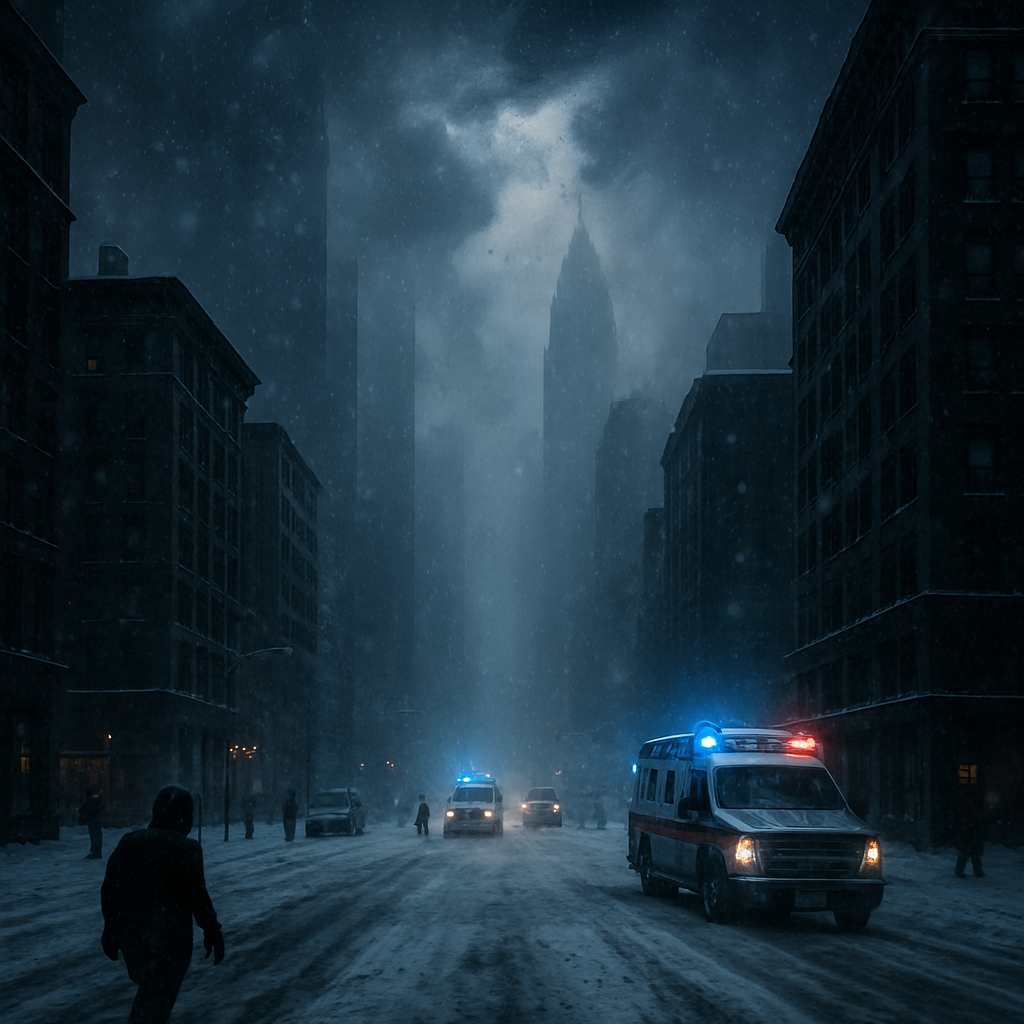
The snow fell heavy and unrelenting, blanketing city streets, rural highways, and airport runways alike. What began as a forecast of “severe winter weather” quickly escalated into a national crisis. By the time skies cleared, 20 lives had been lost, thousands of homes were without power, and holiday travel had been thrown into chaos.
A City in Mourning
In New York, the storm’s toll was especially stark. City Hall confirmed that eight people died over the weekend, though officials cautioned it was too soon to say whether the cold itself was directly responsible. The NYPD is investigating seven of those deaths, piecing together the final hours of individuals who may have succumbed to exposure or other storm-related circumstances.
The timeline reads like a grim diary: six people found overnight Friday, one on Saturday, and another on Sunday. Behind each number lies a story — of isolation, vulnerability, and the unforgiving nature of winter.
The Invisible Struggle
City Hall acknowledged that several of the deceased had previously been in contact with homeless shelters or outreach services. For advocates, this detail was heartbreaking but unsurprising. “Extreme weather doesn’t just test infrastructure,” one outreach worker explained. “It tests our ability to protect those who already live on the margins.”
For the unhoused, the storm was not just an inconvenience but a matter of survival. Shelters filled quickly, outreach teams scrambled, and yet the snow kept falling.
Powerless in the Cold
Across multiple states, tens of thousands of households lost electricity. Families wrapped themselves in blankets, lit candles, and waited for utility crews to battle icy roads and downed lines. In Buffalo, one mother described huddling with her children under layers of quilts, listening to the wind howl outside. “It felt like the house itself was shivering,” she said.
Hospitals reported a surge in frostbite and hypothermia cases. For the elderly and those with chronic illnesses, the outages were especially dangerous. Medical devices went offline, and the cold seeped into every corner of their homes.
Travel Plans Frozen
Airports became scenes of frustration and solidarity. Hundreds of flights were canceled, leaving passengers stranded in terminals. In Boston, a group of travelers pooled money to rent a van, driving through treacherous conditions to reach family in Vermont. “We weren’t going to miss Christmas,” one passenger said, smiling despite the exhaustion.
Others were less fortunate, spending nights on airport floors, their holiday reunions postponed indefinitely.
Echoes of the Past
Meteorologists compared the storm to historic cold snaps, noting that while winter extremes are not new, their intensity and unpredictability seem to be increasing. Disruptions in the polar vortex, they explained, can send frigid air plunging southward, creating conditions like those seen this week.
Though scientists hesitate to link any single storm directly to climate change, the broader trend of erratic, powerful weather events is undeniable.
Community Response
Amid the hardship, communities rallied. Warming centers opened their doors, offering hot meals and shelter. Neighbors checked on one another, ensuring the elderly and isolated were not forgotten. National Guard units assisted with rescues, while volunteers delivered food and blankets to those in need.
In Queens, a man trudged through knee-deep snow to bring groceries to his mother, who had been without power for two days. “It wasn’t even a question,” he said. “Family takes care of family.”
Lessons in Resilience
As the nation recovers, questions linger. Could more lives have been saved with better shelter coordination? Were utilities prepared for such widespread outages? And how can communities strengthen their resilience against storms that seem to grow fiercer each year?
Experts argue that investment in infrastructure, emergency planning, and social safety nets is essential. The storm, they say, is not just a weather event but a test of collective responsibility.
The Human Face of the Storm
Numbers tell part of the story, but it is the human experiences that resonate most. The mother in Buffalo, the stranded travelers in Boston, the outreach workers in New York — each embodies the resilience and vulnerability of a nation facing nature’s extremes.
The storm claimed lives, disrupted plans, and exposed weaknesses. But it also revealed strength: in neighbors who checked in, in strangers who shared resources, and in communities that refused to let the cold define them.
Conclusion
The deadly winter storm will be remembered not only for its 20 fatalities and widespread disruption but also for the stories of survival, compassion, and resilience that emerged in its wake.
As the snow melts and investigations continue, the storm leaves behind a sobering reminder: nature’s power is immense, but so too is the human capacity to endure, adapt, and care for one another.